

Key Takeaways
- Blurry vision can come from a prescription change, dry eye disease, eye strain, or slow changes like cataracts.
- Blur after screen time often settles with rest and regular breaks.
- Sudden blur, blur in one eye, eye pain, or flashes of light need care right away.
- Glasses, contact lenses, and dry eye care can help sharpen your vision.
- Regular eye exams help our team spot changes early for everyone in your family.
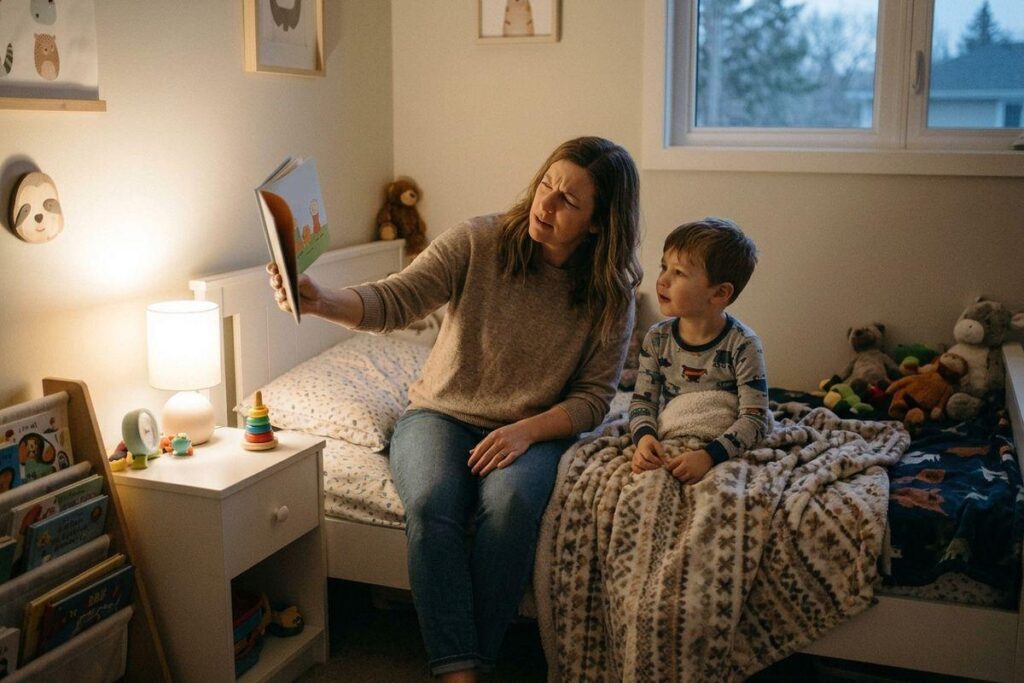
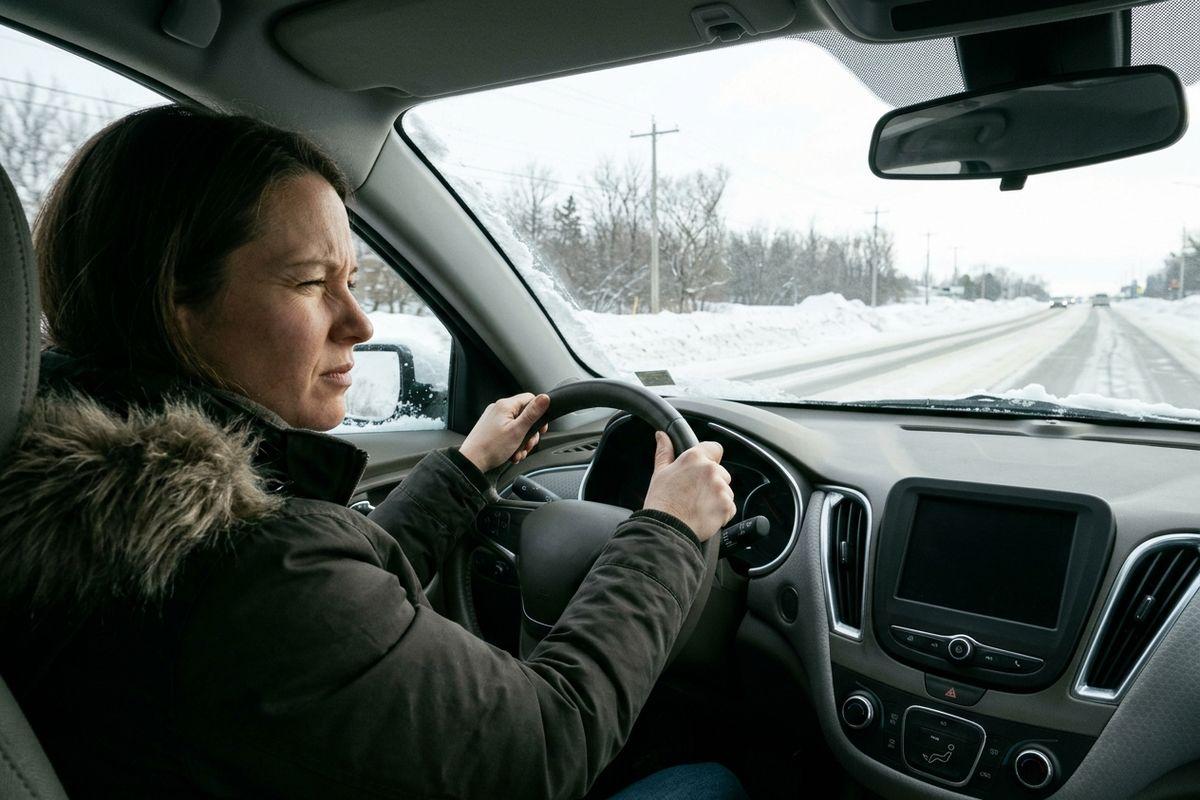
You notice it while reading a bedtime story, checking a road sign on the drive home from Steinbach, or scrolling your phone after dinner. The words look soft around the edges, and you squint to pull them back into focus. Our team at Village Optical sees families from across the city and rural Manitoba with this same concern.
Blurry vision usually comes from a refractive error, dry eye disease, eye strain, or a slow change inside the eye. However, many of these come with correction or treatment options. A family eye exam at Village Optical can help our team find out what’s behind your blur and talk through your options with you.
What Causes Blurry Vision?
Refractive Errors and Prescription Changes
Refractive errors are the everyday focusing problems glasses and contacts help with. Nearsightedness means faraway things look blurry while close things look clear. Farsightedness makes close-up tasks, like reading a recipe, feel harder. Astigmatism can make things look blurry at any distance.
If your glasses are a few years old, your prescription may just need an update.
Kids’ eyes change fast as they grow. Myopia management means care aimed at slowing nearsightedness in children.
Dry Eye Disease and Eye Strain
Dry eye disease happens when your eyes make too few tears or your tears dry up too fast. Your eyes may feel scratchy, like there’s sand in them after a windy day.
Long stretches of screen time, reading, or night driving can leave your eyes tired and your vision fuzzy by evening. The 20-20-20 rule gives your eyes regular screen breaks. Every 20 minutes, look at something 20 feet away for 20 seconds.
Cataracts and Other Slow Changes
A cataract forms when the eye’s clear lens turns cloudy over time. It can feel like looking through a foggy window.
Diabetes and high blood pressure can also affect your vision. When blur creeps in slowly, it can be linked to a long-term health condition, so regular eye exams give our team a chance to notice changes early.
Can Blurry Vision Go Back to Normal?
It depends on what’s behind it, and many reasons for blur are treatable. Eye strain often eases with rest and screen breaks. Blur after a concussion can ease with time, and our team can check your eyes if it persists or worsens.
How Long Should Blurry Vision Last?
Brief blur after a long afternoon on the laptop often settles quickly once you rest your eyes. Blur that lingers or keeps coming back deserves an eye exam, even when it seems mild.
How Can You Tell if Blurry Vision Is Serious?
Signs to Get Help Right Away
Seek eye care right away if you notice any of these signs:
- Your vision turns blurry suddenly or in one eye.
- You have eye pain or an eye injury.
- You see flashes of light or new floaters.
- A shadow or curtain moves across your vision.
If blurry vision comes with face droop, arm weakness, or trouble speaking, call 911.
Other Health Conditions Linked to Blurry Vision
Blur can show up alongside other health changes. If you’re pregnant and notice blur with swelling or headaches, get care quickly.
A migraine aura can bring wavy lines or flashing lights. Blur paired with a lasting headache, nausea, or drowsiness is also worth having checked.
What Helps Blurry Vision Go Away?
Glasses and Contact Lenses
An updated prescription can help sharpen blurry vision. At Village Optical, opticians fit your frames in clinic and adjust them so they sit comfortably on your nose and ears.
Contact lenses offer more choices. Ortho-k uses special contact lenses you wear overnight to gently reshape the front of your eye, which can help you see clearly during the day. Scleral lenses are larger contact lenses that rest on the white part of the eye. MiSight® 1 day is a daily contact lens made for kids as part of myopia management. Our team can explain whether any of these fit your family.
Dry Eye Care and Everyday Habits
Artificial tears can help soothe dry eyes at home, and in-clinic dry eye care can help when drops aren’t enough.
Small habits support your vision too. Wear sunglasses outdoors, even on bright winter days, and use eye protection for work or hobbies like woodworking. Get plenty of rest, eat healthy meals, and spend less time around dust and smoke.
Come See Us
Regular eye exams help everyone in your household, from kids whose eyes change fast to parents and adults 65+. At your visit, our team explains your results and options.
Our Village Optical team welcomes families from St. Vital, St. Boniface, Sage Creek, River Park South, Niverville, LaSalle, and beyond. Whether you’re booking for yourself or the whole household, our team takes time to answer your questions.
Call our team at 431-813-2757 to book your appointment and discuss your options.