

Key Takeaways
- Preservative-free drops are a gentle choice for sensitive eyes and many contact lens wearers.
- Oil-based drops and eye mists help slow tear evaporation.
- Gels and ointments give longer relief and suit bedtime use.
- Redness relief drops can lead to rebound redness.
- Drops ease symptoms, while an eye exam helps find what’s behind your dryness.
You blink, and your eyes feel like sand is stuck under the lids. By mid-afternoon, your screen looks fuzzy, and you’re reaching for whatever drops sit in the bathroom drawer. Our team at Village Optical often hears about this from families across the city and rural Manitoba.
The pharmacy aisle holds dozens of boxes, and the labels don’t make picking easy. The right eye drops for dry eyes depend on how dry your eyes feel, whether you wear contacts, and the time of day you use them, with preservative-free drops as a gentle place to start. If store-bought drops aren’t giving you enough relief, the dry eye services at Village Optical can help you look past the bottle to what’s going on.
What Is Dry Eye Disease?
Dry eye disease means your eyes feel dry, uncomfortable, or irritated. It can show up in a few different ways.
Signs to Watch For
These signs can point to dry eyes:
- Your eyes feel scratchy, burning, or gritty.
- You notice redness, watery eyes, or blurry vision.
- Bright light and glare bother you more than usual.
Common Factors Linked to Dry Eyes
Many everyday things can play a role. Aging, hormone changes, and some medications are linked to dry eyes. So are long hours of screen time, smoke, and poor air quality, like a hazy summer day in Winnipeg. Contact lens wear, allergies, and conditions like diabetes can also be part of the picture.
Types of Eye Drops Optometrists Recommend
Each type of drop fits a different need. Here’s how the main options compare.
Preservative-Free Drops
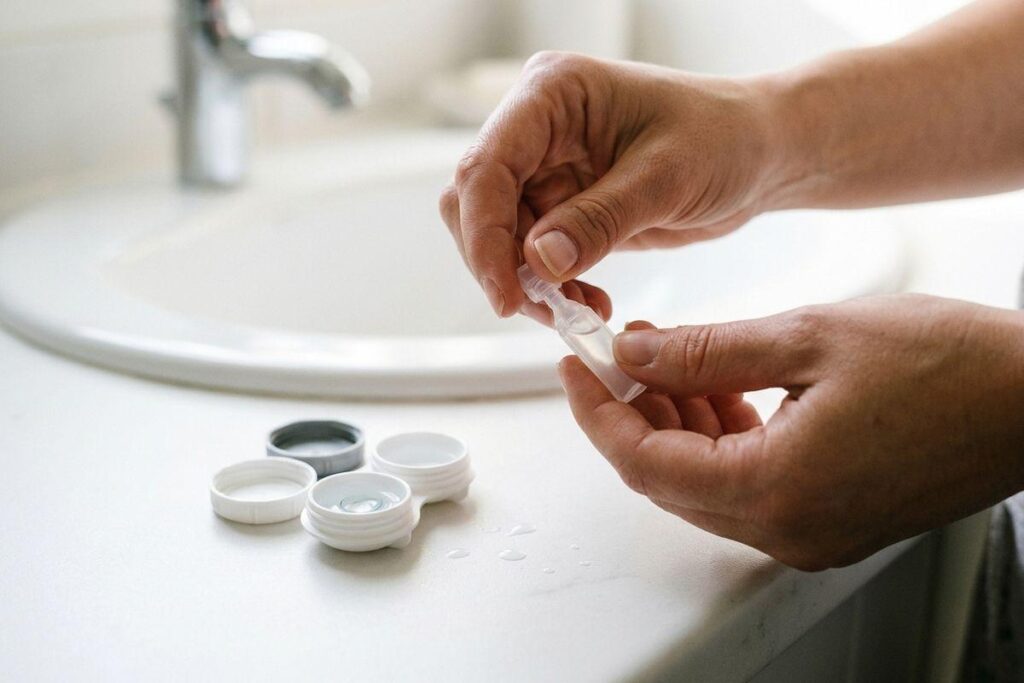
Preservative-free drops are a gentler choice if your eyes sting easily. They’re suitable for many contact lens wearers too. Some come in small single-use vials, and each opened vial is usually good for 24 hours.
Oil-Based Drops and Eye Mists
Oil helps slow tear evaporation. Optometrists often suggest these drops for moderate to severe dryness.
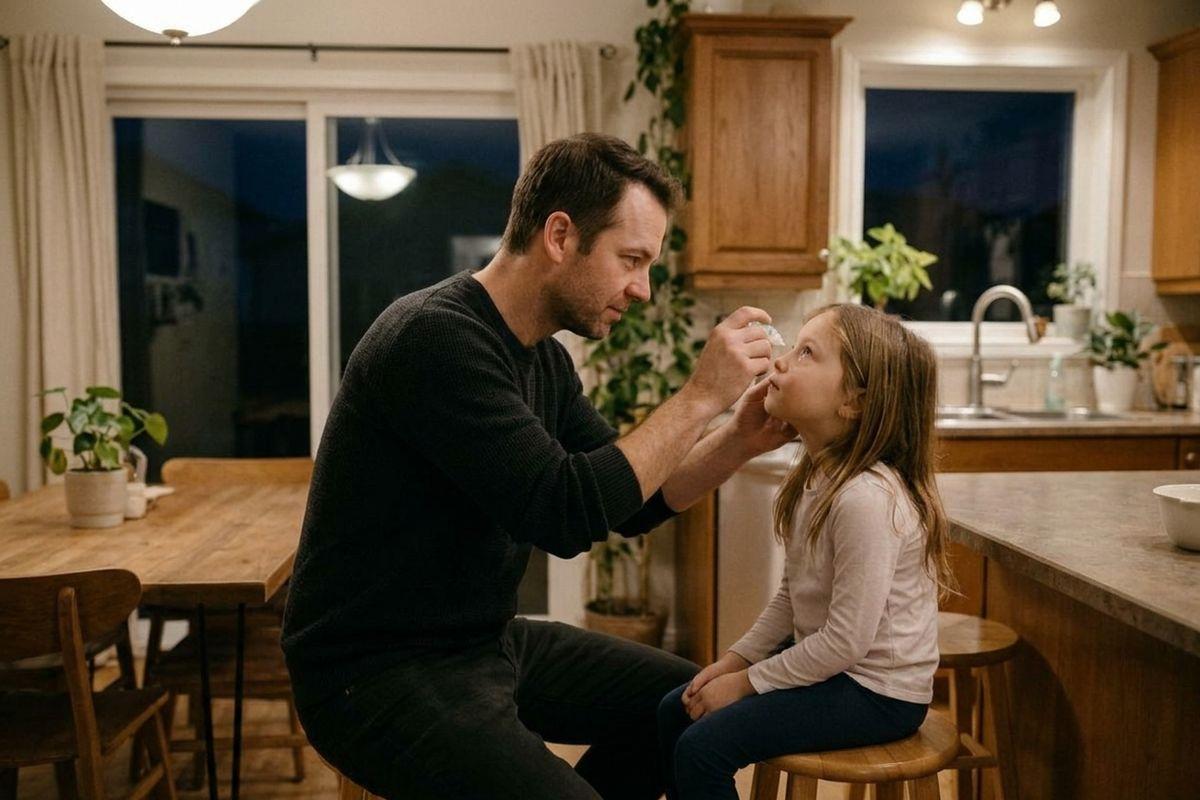
If putting drops in feels tricky, an eye mist can help. You spray it onto your closed eyelids, which is handy for kids or anyone who flinches at the bottle.
Gels and Ointments
Gels and ointments have thicker formulas that give longer relief. The tradeoff is blur. Your vision may stay smeary for several minutes after you apply them.
That’s why ointments work well at bedtime, when you’re about to close your eyes anyway.
How to Pick the Right Drops for Your Eyes
Tips for Contact Lens Wearers
If you wear contacts, read the label first. Choose preservative-free drops or ones marked safe for lenses, and save gels and ointments for when your lenses are out.
If your lenses still feel scratchy by the end of the day, ask our team about lens comfort options during your visit.
Daytime and Nighttime Drops
Thin liquid drops suit the daytime because they cause little blurring. You can keep reading, driving, or helping with homework.
Thicker gels fit better at night or on days your dryness feels stronger. When you shop, pick by drop type, not just brand name.
When Eye Drops Expire
A few quick checks can help you keep your drops fresh:
- Check the expiry date on every box before you use it.
- Toss opened single vials after 24 hours.
- Follow the label for opened bottles, which last longer.
What to Avoid with Dry Eyes
Some products and habits can work against comfortable eyes. Here are a few to skip:
- Redness relief drops can lead to rebound redness.
- Preservative drops should be used 4 times a day or fewer.
- Eye mist goes on clean lids, not over makeup, lotion, or cream.
Simple Habits That May Help
Small habits can add up. If dehydration plays a role, a glass of water at your desk can help.
If you use preservative-free vials, keep opened ones in the fridge between uses.
Why Drops Offer Short-Term Relief
Drops ease symptoms, but they don’t treat the root cause.
If your eyes still feel dry after switching drops, or if your symptoms persist or worsen, an eye exam can help find what’s behind your dryness.
Book a Dry Eye Appointment
Our team at Village Optical will take the time to listen, look closely at your eyes, and suggest a plan that fits your day. Call 431-813-2757 to book an appointment and speak with our team about your options.